ITM University Gwalior is ranked among the best as Platinum Category Engineering Institute in India by AICTE, Ministry of HRD, Govt. of India in 2017.
T: 1800 270 0031
Email: admissions@itmuniversity.ac.in
ITM University
NH-44,BypassTurari, Jhansi Road Gwl (M.P.) 475001,(INDIA)
ITM University's B.Sc. Food Technology program offers comprehensive training in preserving, processing, and manufacturing food. With a curriculum designed to address current industry demands, students gain practical skills for careers in marketing, quality assurance, production management, and logistics. Our program's strong emphasis on advanced techniques ensures graduates are well-prepared for both entry-level positions and higher studies in the rapidly growing field of food technology.
Food Technology is a branch of science that deals with taking care of food products. Starting with processing to storage and then packaging, all these steps are a basic part of Food Technology jobs. It also includes methods and practices that are used to transform raw materials into a finished product. B.Sc. Food Technology is an exemplary course that offers a plethora of opportunities. Bachelor of Science or B.Sc. in Food Technology is a full-time undergraduate program that is of 3-year duration. This program involves an advanced study of techniques and activities which are involved in Preserving, Processing, and Manufacturing food. Post their graduation from the BSc Food Technology course, students can easily get entry-level jobs in Marketing, Quality Assurance companies, Production Management Firms, Logistics, etc. Also pursuing higher studies in the field of food technology becomes easier because of a BSc in the same field. Food Technology is a field that is gaining popularity very rapidly. Due to this the future scope for students who graduate with a BSc in Food technology is very bright.
COMPANIES
Visited To ITM University
PLACEMENTS
Opportunities (in Last 3 yrs)
Highest Package
Offered to the Student of ITM
Average Package
Offered ITM University Students
Startups
Entrepreneurship projects
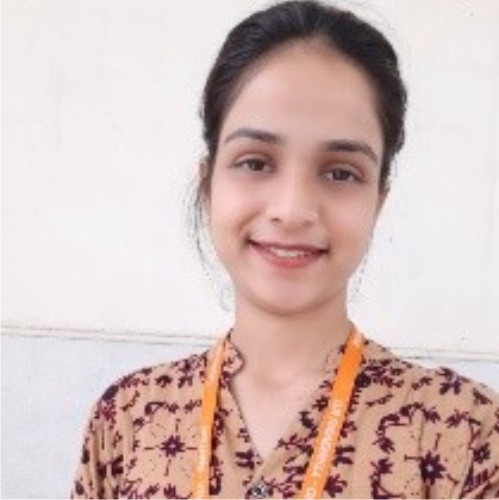
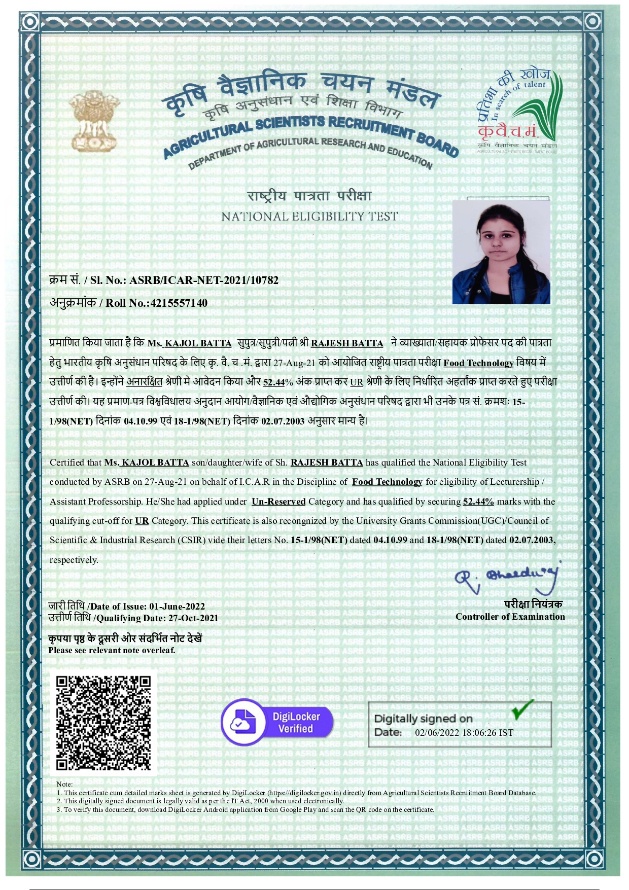
Name:- Kajol batta
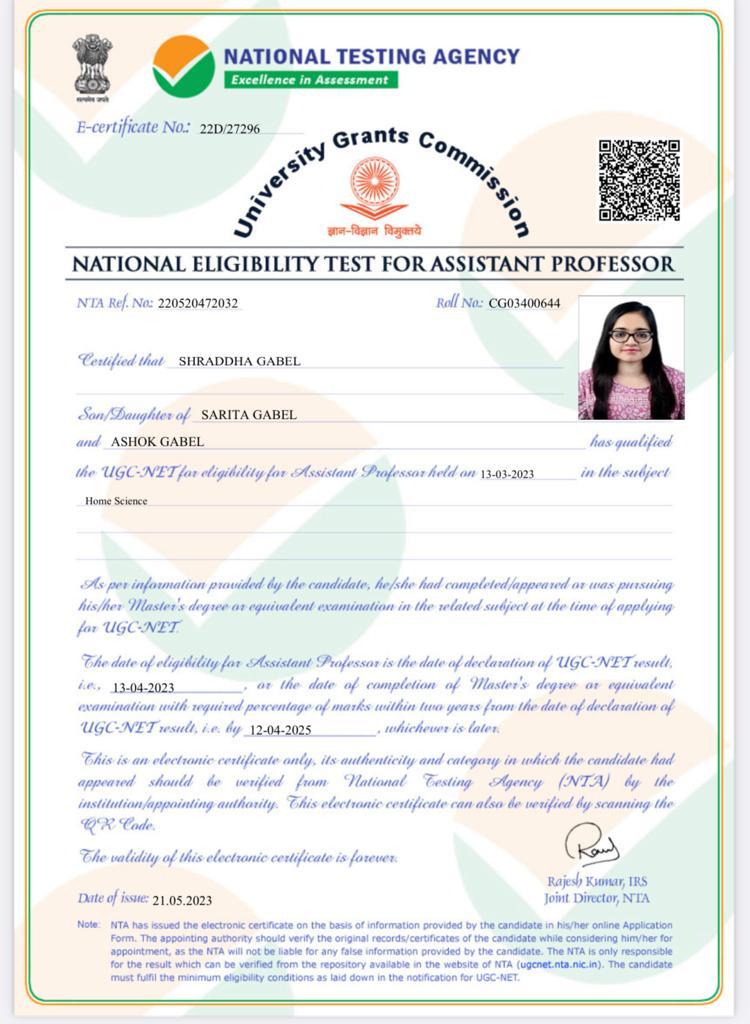
Name:- Shraddha Gabel
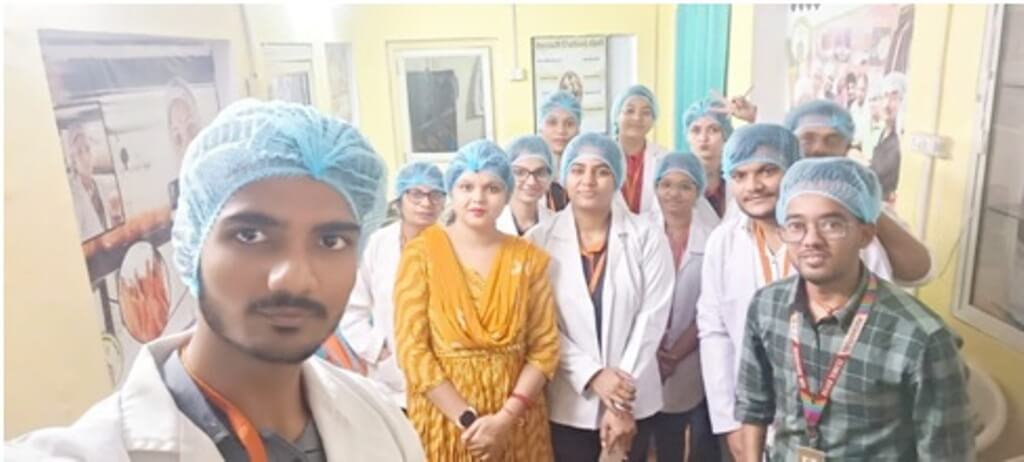
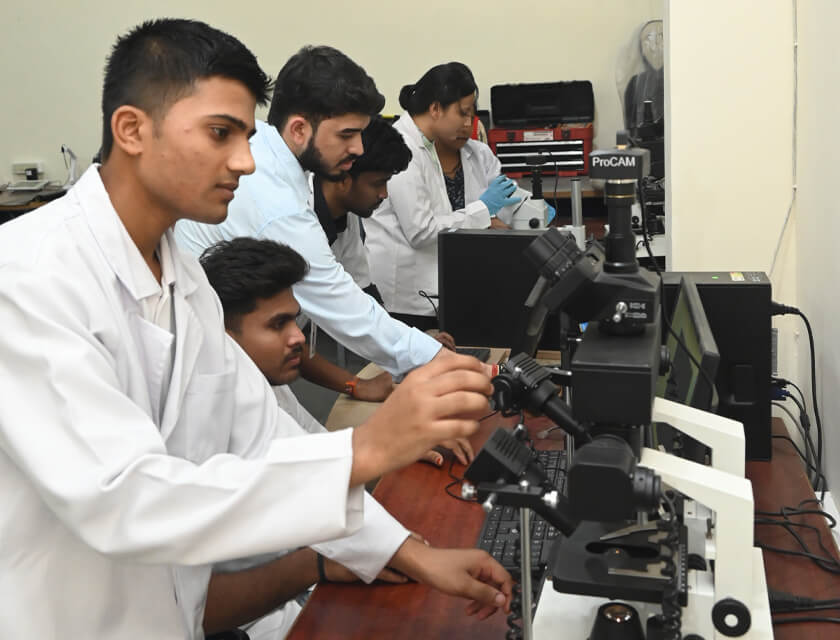
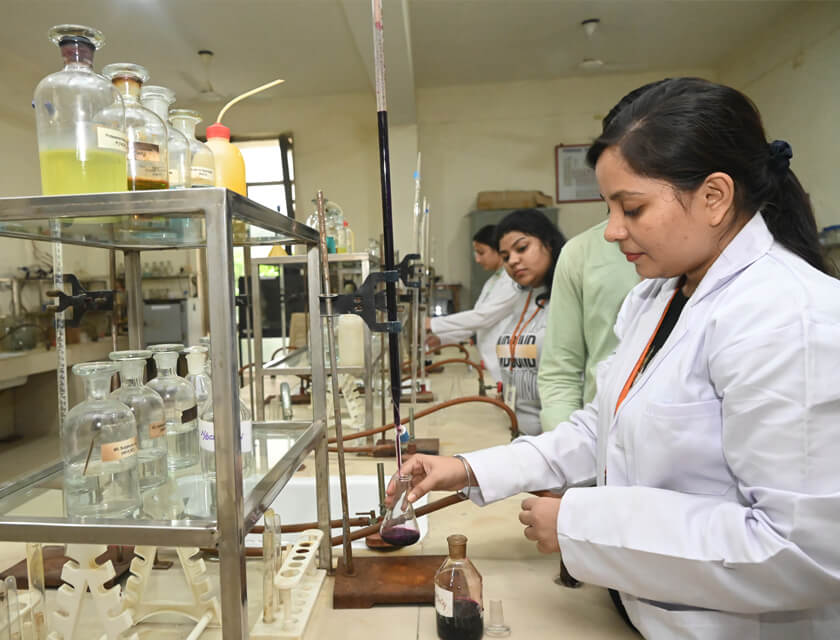
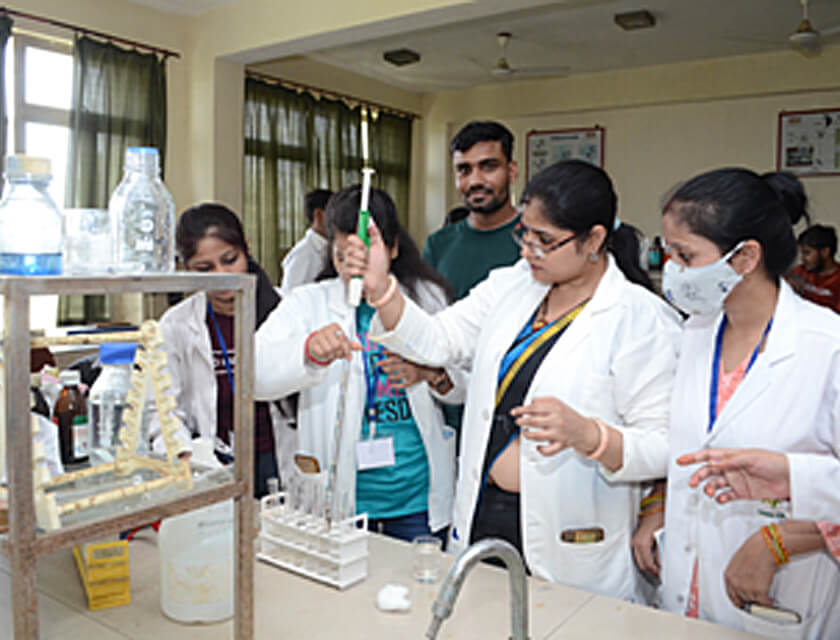
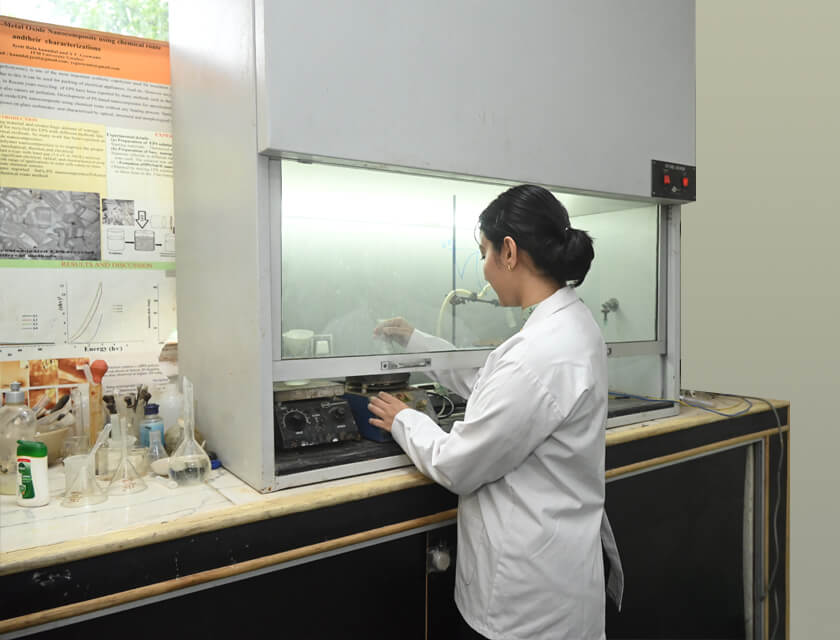
In the Department of Food Technology, we believe that real learning happens when students apply their knowledge. That’s why we’ve included a variety of hands-on activities to help students gain practical skills and confidence.
From healthy snacks to instant beverages, students create their own food products in labs—right from idea to packaging.
Students mix spices and herbs to prepare their own DIY herbal teas, learning about flavors, functions, and health benefits.
Activities like making instant coffee, desiccated coconut powder, and cocoa products help students understand processing techniques.
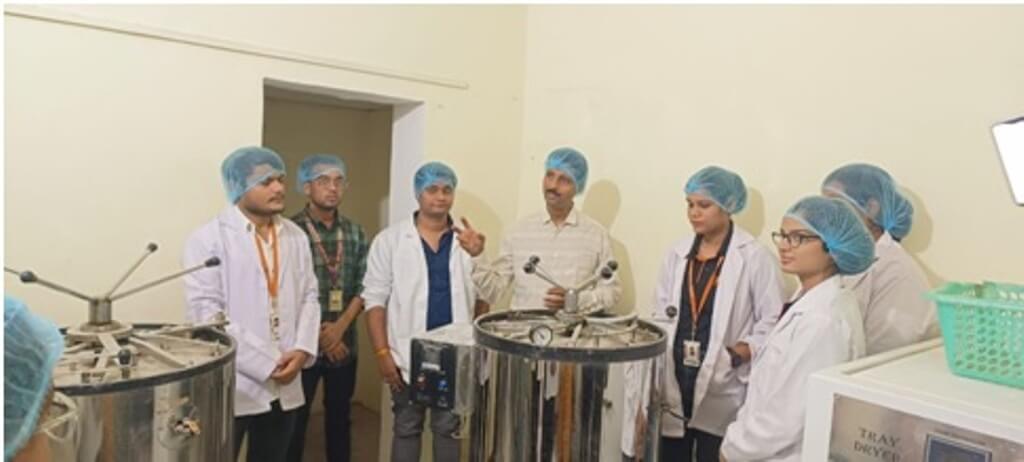
Hands-on training in making squashes, jams, and beverages using real equipment found in the food industry.
Trips to food industries and research labs like NDDB, Amul, and CFTRI show how large-scale food processing really works.
Students plan mini-businesses using food ideas. They explore how to turn a product into a startup.
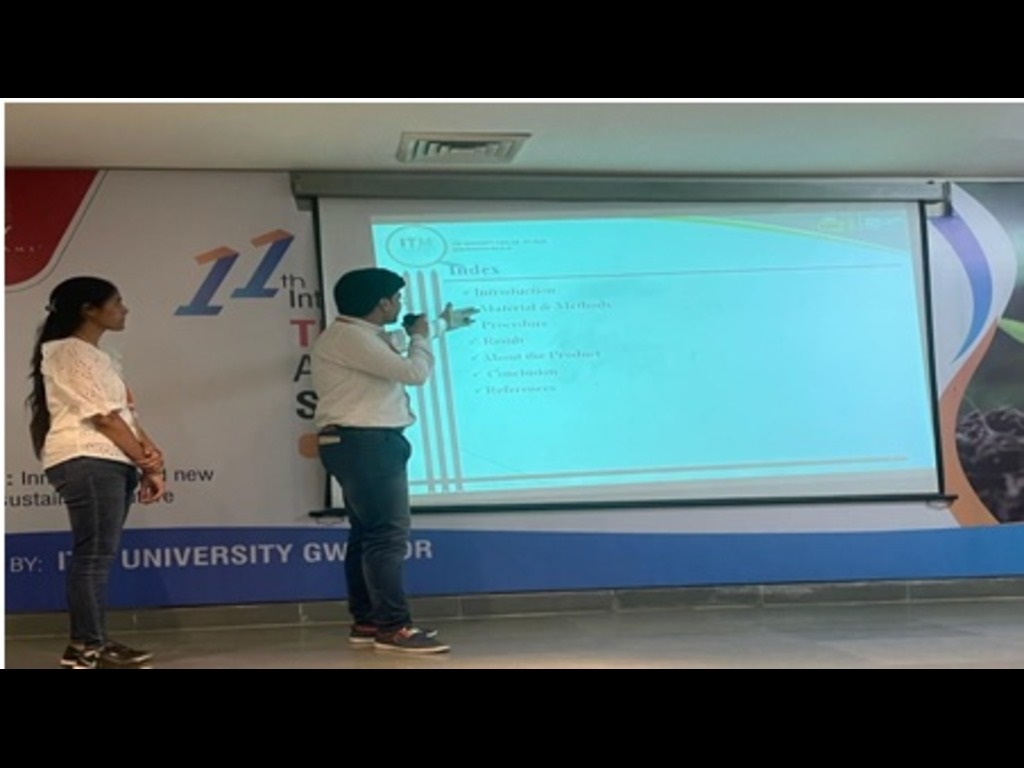
Students Presenting Research Papers In Conference
| S. No. | Activity Title | Description | Objectives | Learning Outcomes (Bloom’s Taxonomy Level) | Assessment Rubric (Total: 10 Marks) |
|---|---|---|---|---|---|
| 1 | Yogurt or Curd Making at Home | Observe curd setting over time and discuss factors affecting fermentation. | Understand microbial roles Identify influencing conditions Monitor texture changes |
Identify fermentation principles – BL 1 Apply hygiene – BL 3 Analyze curd quality – BL 4 |
Process followed (3) Observation & Inference (4) Hygiene maintained (2) Presentation (1) |
| 2 | Food Adulteration Tests at Home | Test for starch in milk, water in honey using household items. | Detect adulterants Promote safety awareness Interpret test results |
Identify adulteration signs – BL 1 Perform basic tests – BL 3 Evaluate authenticity – BL 5 |
Accuracy of tests (3) Clarity of report (3) Interpretation (3) Neatness (1) |
| 3 | Spoilage Observation Diary | Track visible changes in perishable foods over time. | Track spoilage Record environmental influence Understand preservation |
Recognize spoilage – BL 1 Record observations – BL 3 Analyze spoilage rate – BL 4 |
Consistency in tracking (3) Observation details (4) Analysis (2) Format (1) |
| 4 | Cooking Impact on Nutrients | Cook vegetables by different methods and compare results. | Show nutrient change Assess sensory changes Promote healthy cooking |
Identify method impact – BL 1 Apply techniques – BL 3 Evaluate outcomes – BL 5 |
Use of methods (3) Visual comparison (3) Analysis (3) Format (1) |
| 5 | Food Label Evaluation | Collect packaged foods and interpret nutrition and additives. | Read labels Compare items Analyze health impact |
Identify label content – BL 1 Analyze data – BL 4 Evaluate health claims – BL 5 |
Product selection (2) Info accuracy (4) Label analysis (3) Presentation (1) |
| S. No. | Activity Title | Description | Objectives | Learning Outcomes (Bloom’s Taxonomy Level) | Assessment Rubric (Total: 10 Marks) |
|---|---|---|---|---|---|
| 1 | Soaking and Cooking Time Comparison (Rice vs. Millets) | Soak rice and any millet (e.g., finger millet or foxtail millet) and record time taken to cook each. | To understand differences in soaking and cooking time between rice and millets. | Analyze (Level 4): Compare cooking times and explain differences. |
Accurate timing and recording (4) Clear comparison (3) Presentation neatness (3) |
| 2 | Mini Idli or Dosa Batter Fermentation Observation | Ferment batter and observe rise, smell, and change in pH or texture. | To understand fermentation effects on batter characteristics. | Understand / Analyze (Level 2 / 4): Observe fermentation and explain changes. |
Detailed observation (4) Process understanding (3) Use of sensory / pH data (3) |
| 3 | Iodine Test for Starch in Foods | Apply iodine solution to boiled rice, bread, or banana and observe blue-black color change. | To test for presence of starch in various foods using iodine. | Apply (Level 3): Conduct test and interpret color change. |
Proper test application (4) Accurate observation (3) Explanation of result (3) |
| 4 | Oil Rancidity Test (Smell or Paper Test) | Store oil in open air for few days and observe smell or use paper test to detect rancidity. | To identify signs of rancidity in oils through sensory and simple tests. | Understand / Evaluate (Level 2 / 5): Detect rancidity and explain spoilage. |
Observation accuracy (4) Correct test use (3) Explanation of rancidity (3) |
| 5 | Drying of Spices at Home (Coriander, Chili, Mint Leaves) | Dry whole spices or leaves in sun/shade and compare aroma and moisture content before and after drying. | To understand drying methods and effects on spice quality. | Analyze (Level 4): Compare drying effects on aroma and moisture. |
Observation of drying (4) Aroma / moisture comparison (3) Recording neatness (3) |
| 6 | Spice Blending Activity (Homemade Garam Masala) | Use home spices to prepare a spice blend and discuss aroma, taste, and roles of each spice. | To learn about spice blending and individual spice functions in flavoring. | Create / Evaluate (Level 6 / 5): Prepare blend and evaluate sensory properties. |
Blend preparation (4) Description of aroma and taste (3) Creativity and presentation (3) |
| S. No. | Activity Title | Description | Objectives | Learning Outcomes (Bloom’s Taxonomy Level) | Assessment Rubric (Total: 10 Marks) |
|---|---|---|---|---|---|
| 1 | Preparation of Curd / Yogurt at Home | Set curd using lukewarm milk and a spoon of starter curd. Observe texture, time, and temperature. | To learn the fermentation process and factors affecting curd setting. | Understand / Apply (Level 2 / 3): Describe and perform curd setting. |
Accurate observation of texture / time / temperature (4) Understanding fermentation (3) Clear presentation (3) |
| 2 | Boiling vs. Raw Milk Spoilage Test | Store raw and boiled milk under identical conditions and observe spoilage signs daily. | To compare spoilage rate between raw and boiled milk. | Analyze / Evaluate (Level 4 / 5): Observe, compare, and explain spoilage. |
Regular observation recording (4) Clear comparison (3) Explanation of results (3) |
| 3 | Cream Separation by Cooling Milk | Let boiled milk sit in fridge overnight and observe cream layer formation. | To understand fat separation in milk by cooling. | Understand (Level 2): Observe and describe cream formation. |
Observation accuracy (4) Description of process (3) Presentation neatness (3) |
| 4 | Observation of Paneer Preparation | Boil milk, add lemon juice or vinegar to separate whey, press and set the paneer. | To learn the coagulation and separation process in paneer making. | Apply / Analyze (Level 3 / 4): Perform and explain paneer preparation. |
Correct procedure (4) Observation and explanation (3) Presentation (3) |
| 5 | Triangle Test Using Common Foods (Biscuits / Juice) | Provide three samples (two identical, one different) and ask peers to identify the odd one. | To understand sensory discrimination techniques. | Analyze / Evaluate (Level 4 / 5): Identify differences via sensory test. |
Test administration (4) Accuracy of identification (3) Explanation of sensory difference (3) |
| 6 | Ranking Test for Taste (Four Brands of Juice) | Evaluate and rank samples for sweetness, flavor, and preference. | To develop skills in sensory evaluation and preference ranking. | Evaluate (Level 5): Rank and justify sensory preferences. |
Accurate ranking (4) Justification of preferences (3) Presentation clarity (3) |
| 7 | Aroma Identification Activity | Blindfolded identification of five to six common food aromas (coffee, cumin, clove, lemon, etc.). | To improve sensory recognition of common food aromas. | Understand / Apply (Level 2 / 3): Identify aromas through smell. |
Correct identification (4) Sensory recognition explanation (3) Engagement in activity (3) |
| 8 | Sieving of Flour (Separation Operation) | Use a household sieve to separate fine flour from bran or coarse particles. | To learn physical separation techniques. | Apply (Level 3): Perform and describe sieving process. |
Proper sieving technique (4) Clear description of separation (3) Presentation neatness (3) |
| 9 | Sedimentation of Turbid Water or Juice (Clarification) | Let muddy water or unfiltered juice sit for hours and observe sedimentation. | To understand natural clarification by sedimentation. | Understand / Analyze (Level 2 / 4): Observe and explain sedimentation process. |
Observation recording (4) Explanation of sedimentation (3) Presentation (3) |
| 10 | Drying of Vegetable Slices in Sunlight (Drying Operation) | Dry thin slices of potatoes or spinach and record drying time, texture, and weight change. | To learn drying as a preservation technique and its effects on vegetables. | Analyze (Level 4): Record and explain drying effects. |
Accurate time and weight recording (4) Texture observation (3) Presentation neatness (3) |
The integration of regular, hands-on activities into the curriculum is a key aspect of Activity-Based Continuous Assessment (ABCA). This educational approach emphasizes continuous assessment of student learning through a variety of activities, rather than solely depending on traditional exams. By embedding diverse, practical tasks into the academic term, ABCA ensures that students' knowledge and skills are consistently evaluated and enhanced.
Application-Based ActivitiesApplication-based activities in science have transformed research, making it more accessible, efficient, and collaborative. These activities empower students to push the boundaries of knowledge and explore new frontiers in their respective fields.
Seminar PresentationsSeminar presentations provide interactive sessions that offer a platform for sharing knowledge, fostering discussion, and promoting collaborative learning. They also help students develop essential public speaking skills.
Poster PresentationsPoster presentations offer an engaging and visual method to communicate key concepts, ideas, and research findings. They provide students with the opportunity to showcase their work in a concise and accessible format, facilitating engagement, feedback, and networking—critical components of the scientific communication process.
Open Book TestsAn open book test is an assessment method where students are allowed to refer to textbooks, notes, or other resources while answering questions. This approach is designed to evaluate a student's ability to apply, analyze, and synthesize information rather than merely recall facts.
QuizShort, Versatile and valuable assessment tool to help students in the evaluation of knowledge, reinforcing learning, and engaging students in the learning process and identifying the areas for improvement, and support ongoing learning.
Library AssignmentEducational task designed to encourage students to utilize library resources effectively, conduct research, and develop critical information literacy skills and explore a range of sources, analyze and synthesize information, and coherently present their findings.
Case StudiesCase studies in the sciences are detailed investigations of a single subject, such as an individual, group, event, or phenomenon that provide in-depth insights into complex scientific issues. They are widely used across various scientific disciplines, including biology, medicine, environmental science, and Forensic Science etc. to explore and understand intricate details that might be overlooked in broader studies.
Review writingReview writing is a critical academic activity that involves summarizing, analyzing, and synthesizing existing research on a specific topic. Unlike original research articles that present new data, scientific reviews provide a comprehensive overview of the current state of knowledge, identify gaps, and often suggest directions for future research.
ProjectsExtensive research-oriented task for achieving specific objectives within a defined timeframe and exploring new ideas, or developing innovative solutions that ultimately contribute to the students’ research skills development.
Internship Training refers to the structured educational experience provided to interns within an organization, aimed at equipping them with practical skills, professional knowledge, and real-world experience in their field of study or interest. This training is a crucial component of internships, bridging the gap between academic learning and professional application.
Internship Training is an essential aspect of internships, ensuring that interns gain the practical skills, professional knowledge, and industry exposure needed to succeed in their careers. It is a mutually beneficial process, providing interns with valuable experience and contributing to the organization’s development
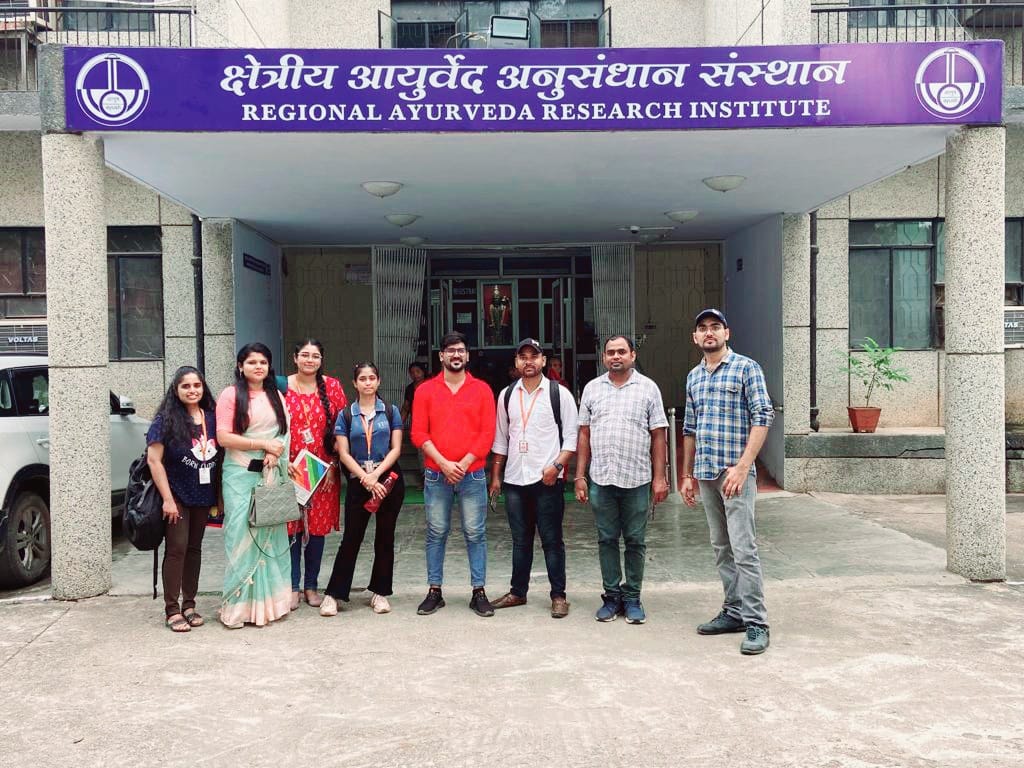
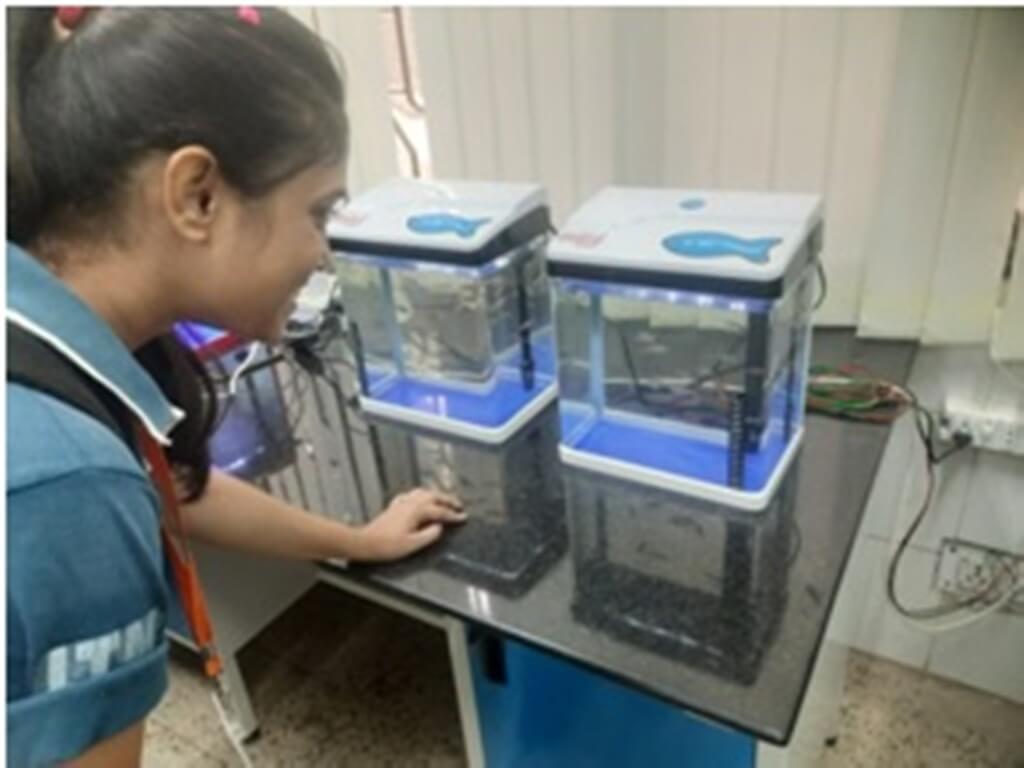
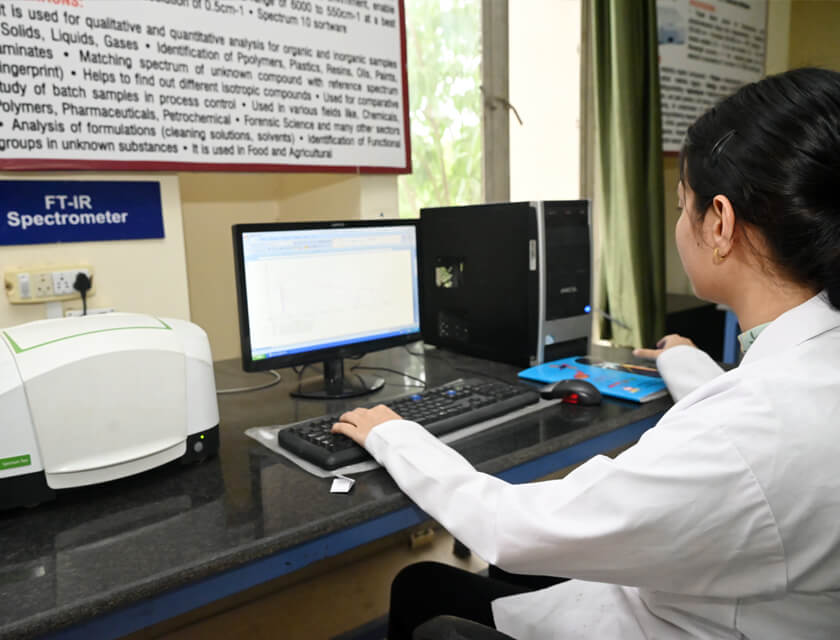
Students learning various Instrumentation techniques at Govt. RARI CCRAS Ministry of AYUSH, Gwalior
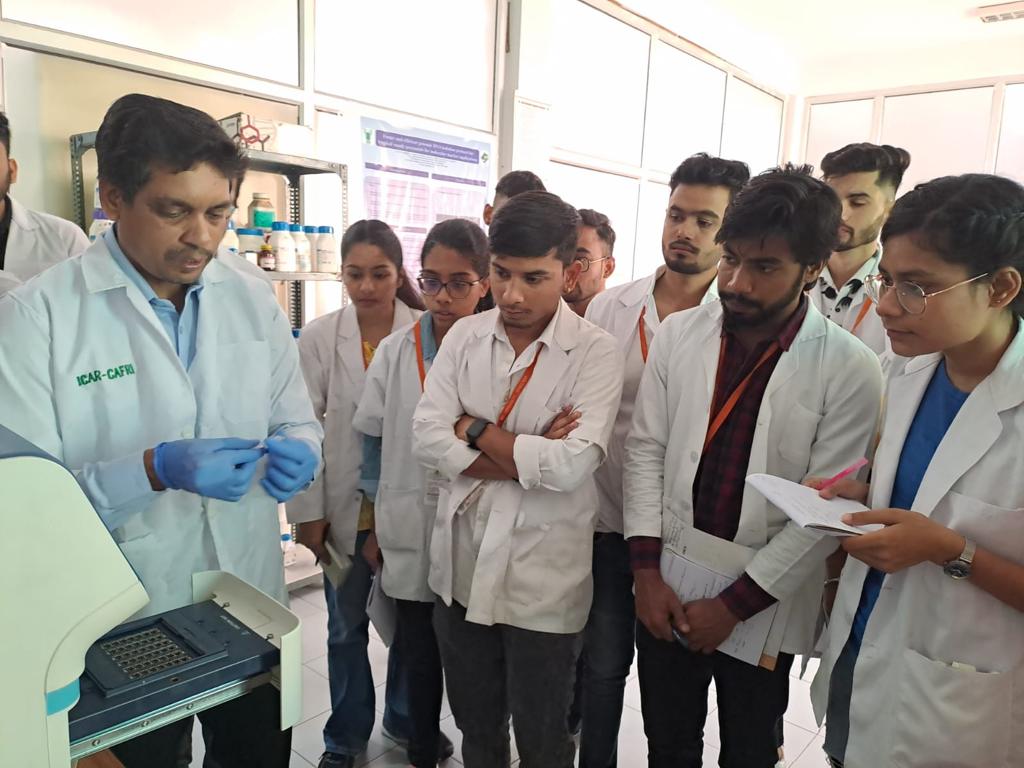
Students learning PCR techniques ICAR-CAFRI, Jhansi (U.P)
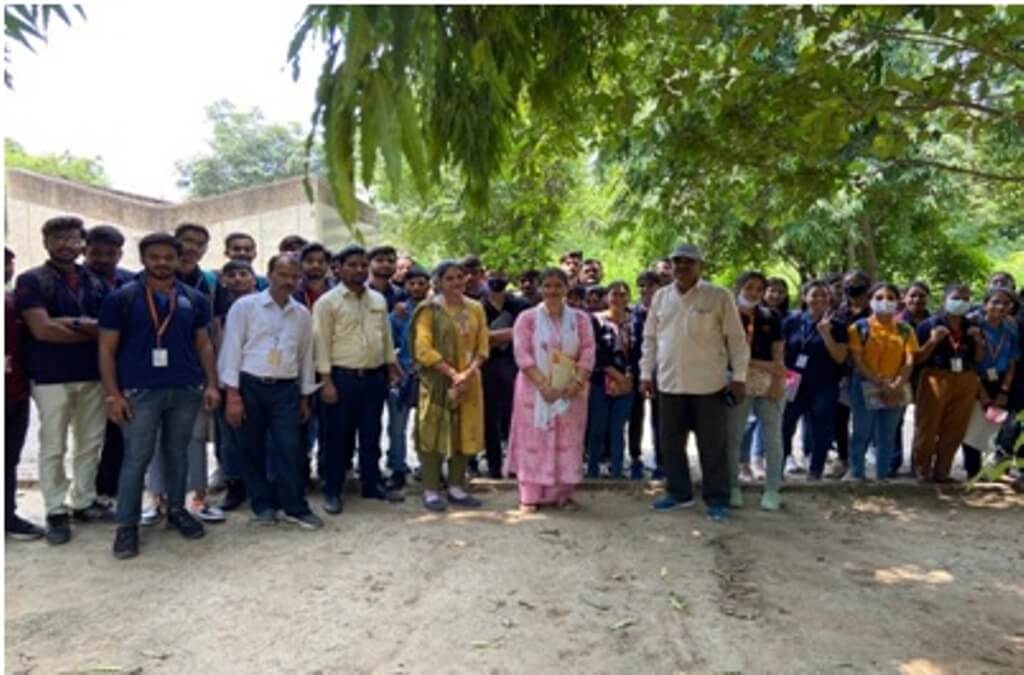
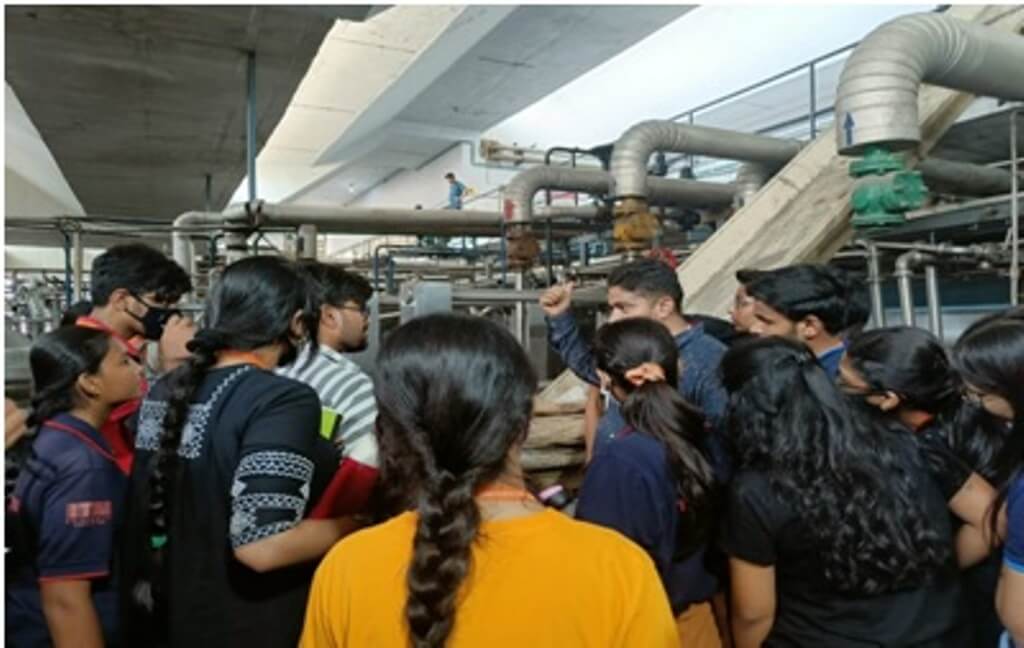
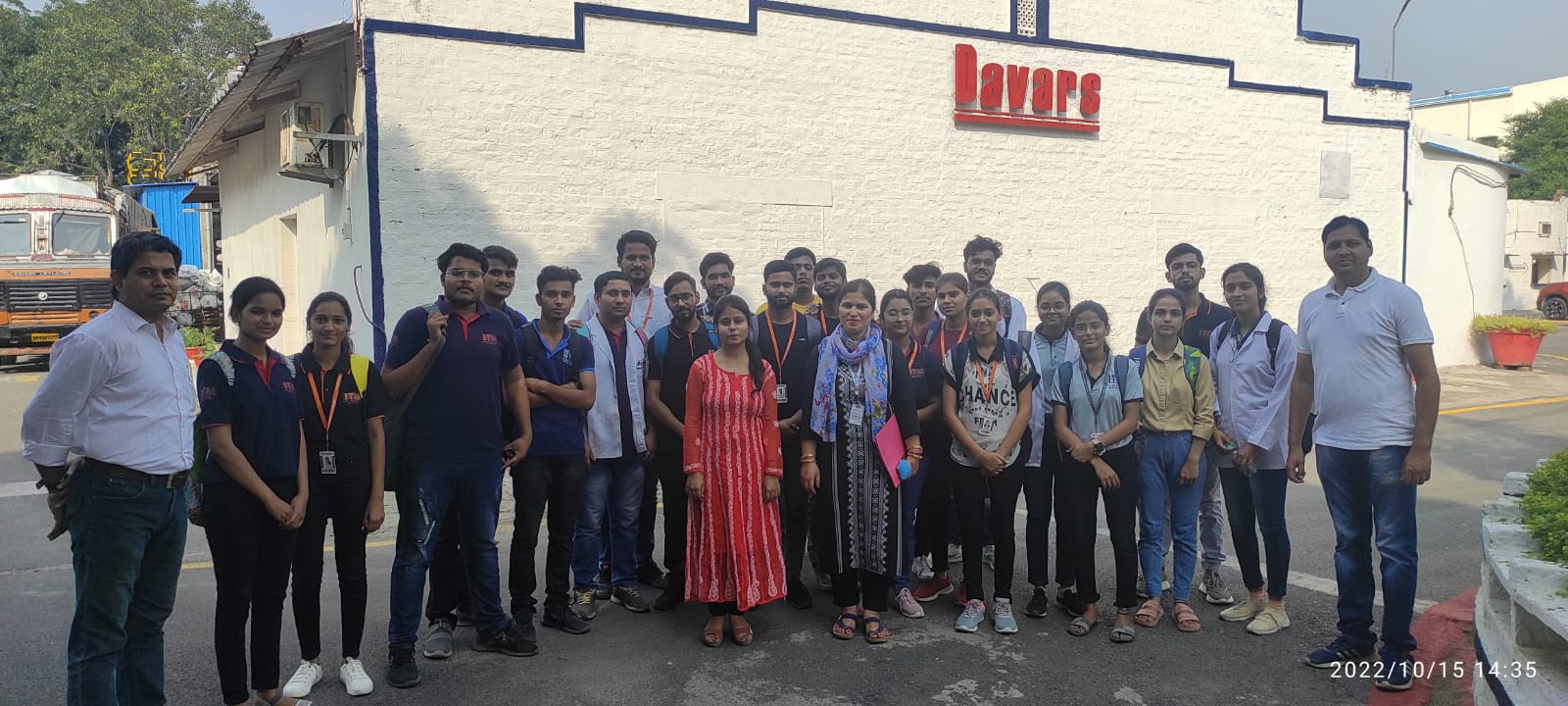
Industrial Visits in the field of sciences are an essential component of education and professional development, offering students and researchers practical exposure to real-world applications of scientific principles. These visits bridge the gap between theoretical knowledge gained in the classroom and its practical application in industry, providing a comprehensive understanding of how scientific concepts are utilized in various sectors. Students visits prominent industries such as Omcar India Pvt. Ltd. Mushroom cultivation centre at city centre Gwalior (M.P.), and Saanchi (SahkariDugdh Sangh), Bamore (M.P)
Industrial Visits are not only enhancing academic learning but also provide a clearer picture of the opportunities and challenges in various scientific industries. These experiences are crucial for shaping the future workforce, equipping them with the knowledge, skills, and connections needed to excel in their careers.
Industrial visit at Omcar India Pvt Ltd (Mushroom cultivation training institute), Gwalior
Industrial visit to Saanchi (SahkariDugdh Sangh), Bamore (M.P)
Industrial Visit-J.B Mangharam Foods Pvt. Ltd
Industrial Visit to Tropilite Foods Pvt Ltd, Gwalior (MP)
For B.Sc. (Hons.) in Food Technology / Microbiology, 50% is Mandatory in Intermediate with Biology.
Biotech, Pharma companies, and various Research Institutes like TUV Sud South Asia Pvt. Ltd., Gebbs Health Care Mumbai, Macleods Pharmaceutical Company Sikkim WIPRO-VISTA, Panacea biotech SRF etc.
This program offers strong career prospects in the food industry, with opportunities in processing, quality assurance, food safety, research, and entrepreneurship.
Applicants should have completed 10+2 with Physics, Chemistry, and Biology or Mathematics from a recognized board.
The course covers Food Chemistry, Food Microbiology, Food Processing, Food Engineering, Nutrition, Food Safety, Packaging, and Quality Management.
Yes, students are given options to select electives and focus areas as per the program structure.
Yes, students from the PCM background meeting the minimum eligibility criteria are eligible for admission.
The intake capacity is as per university guidelines and is announced every academic session.
The program is approved by the university and follows prescribed academic and regulatory standards.
Graduates can pursue careers in food industries, FMCG companies, regulatory bodies, research organizations, quality labs, and startups, with good placement support from the university.
Students can participate in workshops, seminars, industrial visits, food innovation events, cultural activities, sports, and various student clubs.